On the Corner with Running and Joyce Carol Oates
How process and structure stride with creativity, daily
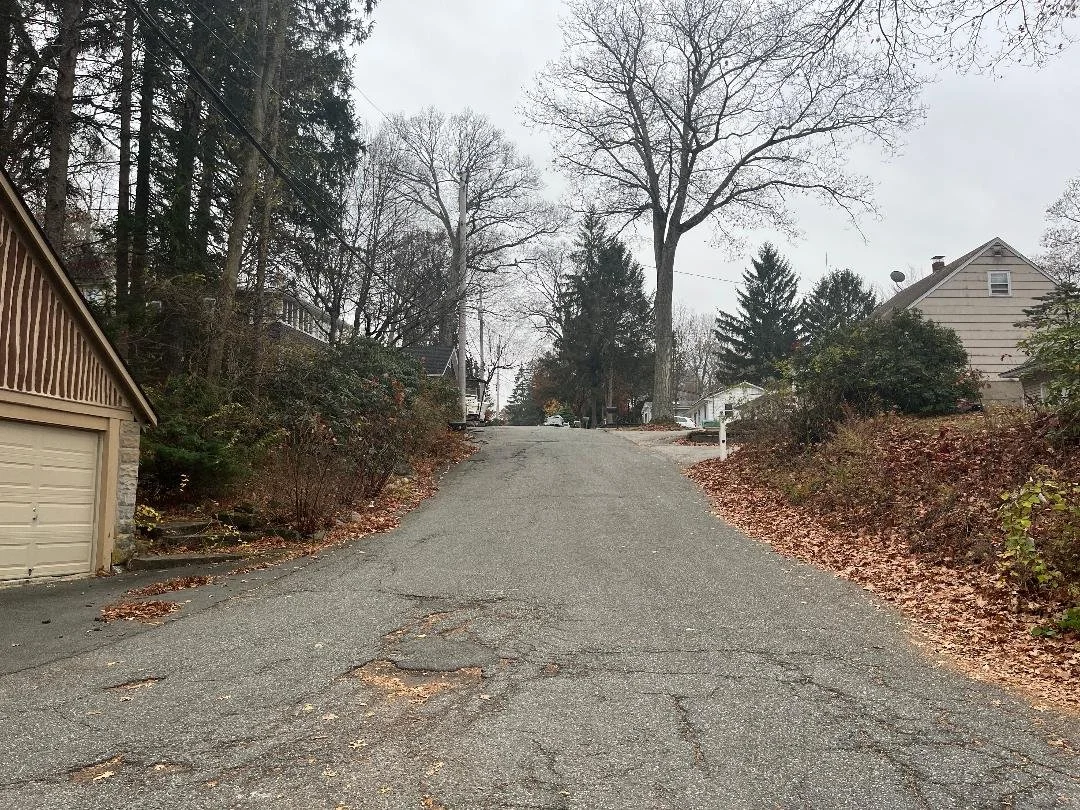
New Year’s resolutions, right? But here’s the deal: January 1, 2022, the day I committed to being more physically active. A week later, I began waking up at 5 to log miles before work, as my wife had suggested. I was out of shape. Overweight. Bloated from the decade-plus of pushing hard in the office, eating whatever whenever, and vices. For a basketball and tennis player growing up, whose metabolism cranked with that upper-octave scream of an F1 V10…not good.
Little did I realize that in the 21 months from the outset of the pandemic, during which I consumed tons of books, my processing had formed the musings and the debris in my head, as if on a pottery wheel, into purpose. Perhaps too much at times, but the ritual of walking was already gifting me direction, and it developed into a habit after 21 days. Distances increased until I was moving for eight miles at a clip. My mind cycled oxygen like in a science experiment, but my body was urging me to move faster.
I remained patient. Not my strongest suit, but by July 2023, I was more of a runner than a walker. The crossover point. Timing-wise, I wanted a half hour back every day, and running was the means to that end. Sleep became more restful, though I’m not going to explain all the benefits of cardio. Still, smoke and fog were clearing. I felt an uptick. Like a submarine surfacing so no periscope was required to see the world, creativity rose. And by then, I’d combined my education since Covid with previous experience to start a familiar activity.
With more than 100 books to her name and pseudonyms, Joyce Carol Oates is a prolific American author, literary or otherwise. A force in letters, but some critics choose to speak to productivity rather than quality. Their loss. I’ve read roughly 20 of her titles, with them, the third novel in The Wonderland Quartet, being my favorite. She taught at Princeton for 36 years and has been back in my home state, at Rutgers, for a while—and, wouldn’t you know it, she’s a runner.
Oates believes the optimal time to write is in the morning. Hemingway, Vonnegut, and T.C. Boyle occupy the same camp. The reasons are widespread, but the one I feel most is the sharp focus in your first several hours awake, that the clutter of the day hasn’t yet piled high. So, she runs in the afternoon following her stretch at the desk. For me, the early a.m. run sets up the day. Wish I had the luxury to write right away, but I’m content to enter drafting mode when even a sliver of the moon peaks through those haunted clouds.
Writing, like running, is a daily practice for many people, and Oates has published articles on the parallels between them including this gem in The New York Times. She talks about her passion in interviews. Anyone familiar with her output would understand why she brings dreaming and fairy tales into the mix. From that NYT piece, and what’s not to love here: “Ideally, the runner who’s a writer is running through the land- and cityscapes of her fiction, like a ghost in a real setting.”
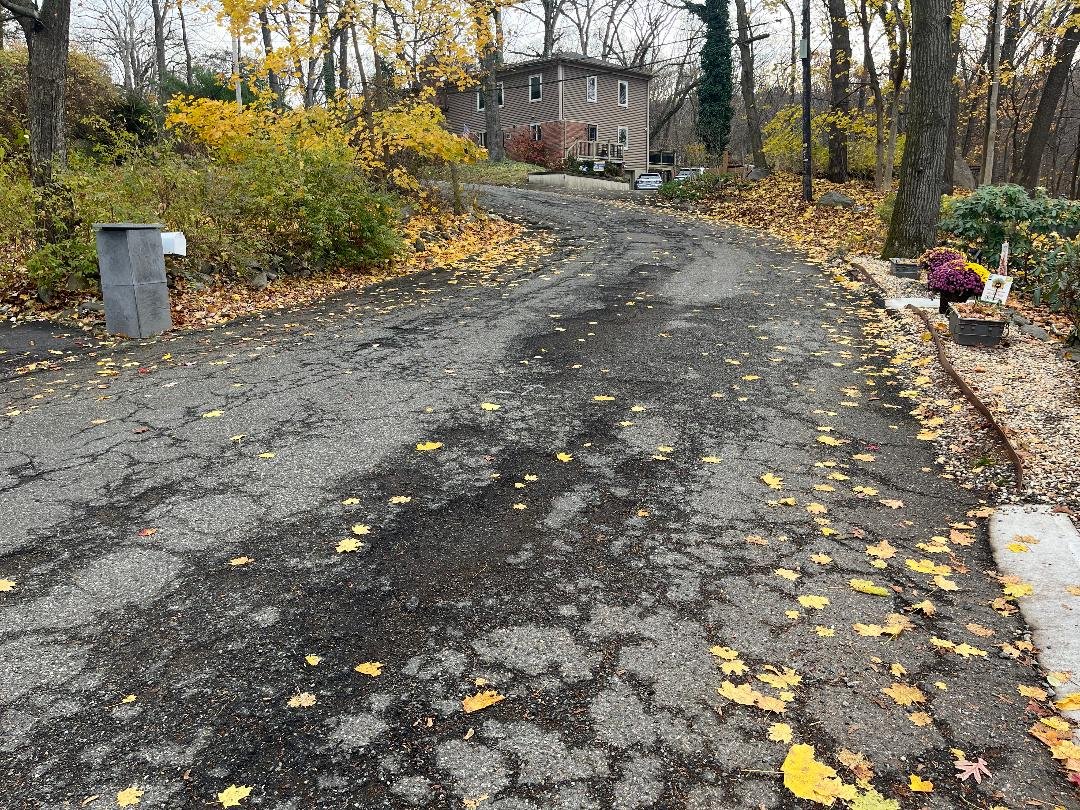
We don’t have streetlights where I live in North Jersey, no sidewalks either. As the rhythm of my feet paces me to the next turn, because there’s always a next turn except at the end, my headlamp shines a cone of visibility through the black. And, along with reflector straps, offers safety: In this neck of the woods, you never know if a black bear or a herd of deer or a pack of turkey vultures might want to say hello.
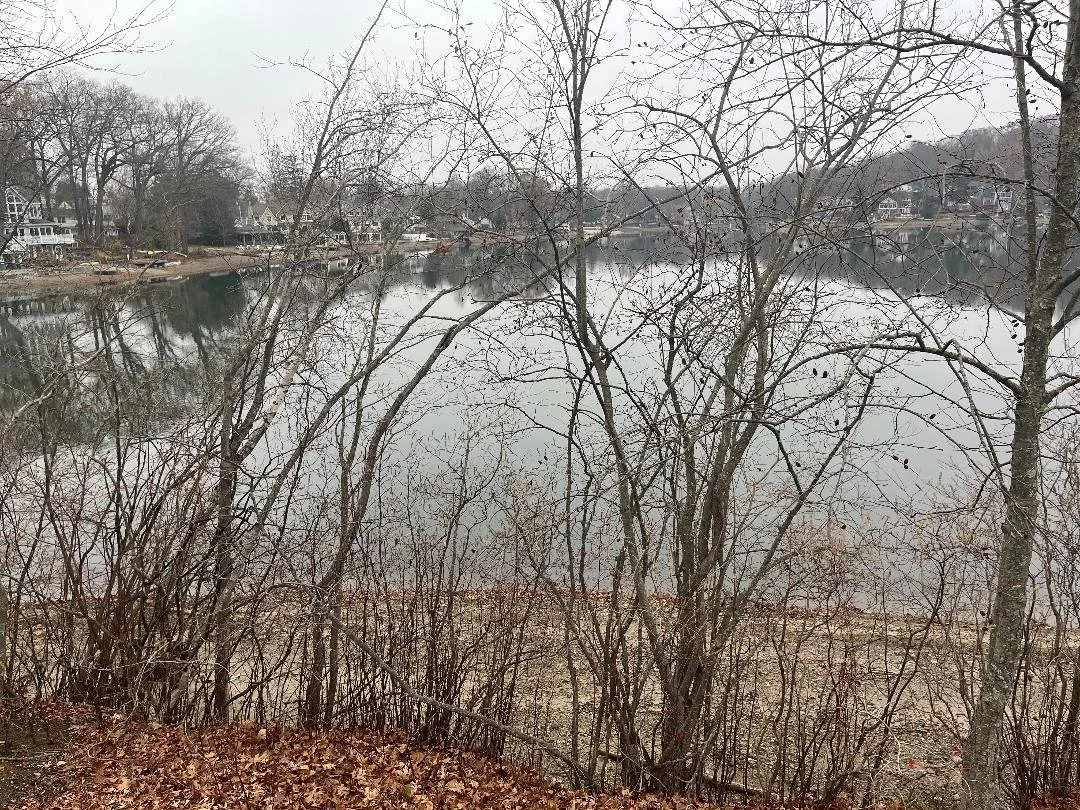
Repeating a circuit on consecutive days is a no-no. I start by walking in the opposite direction from the prior day before accelerating. Sweating. I’ve added loops to keep things fresh. Motivation has been rock solid, though slightly more dormant over weeks in 2025 than the previous three years, and that’s okay. Miles string together, while the lakes help words flow into sentences even when not running around them. Or maybe it’s better to say with them. Then again, the woods are thick in these parts, and the closer you are to them at 5:30, the more stuff you hear.
Sometimes.